
Are you interested in registering an eCommerce business in Hong Kong? This guide outlines everything you need to know to get started!
What Is an eCommerce Business?
An e-commerce business is a company that buys and sells goods or services online through a website, marketplace, or social channel, without needing a physical storefront. You can sell physical products, digital goods, or services, with orders placed online, paid via a payment gateway, and fulfilled by shipping or instant digital delivery.
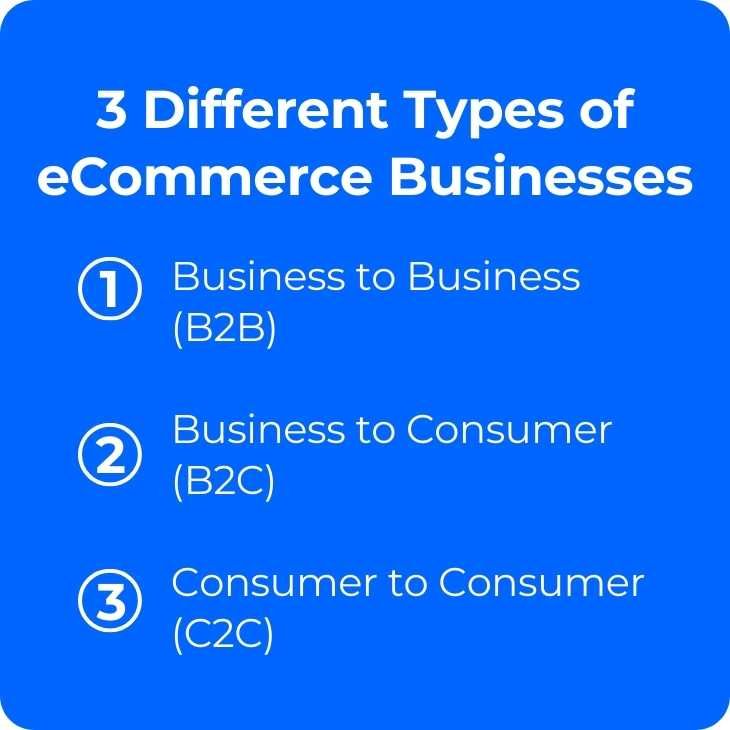
There are three different types of eCommerce businesses:
Business to Business (B2B)
Companies sell to other companies (e.g., manufacturers or distributors supplying retailers).
Business to Consumer (B2C)
Brands sell directly to consumers via an online store or marketplace listing (e.g., Shopify store, Amazon listing).
Consumer to Consumer (C2C)
Individuals sell to other individuals on third-party platforms (e.g., Facebook Marketplace, Carousell).
Steps to Register and Launch Your E-Commerce Business in Hong Kong
The general process of starting an online business in Hong Kong involves the following steps:
- Incorporate a company
- Open a bank account or business payment account
- Check licences and map product rules
- Choose your platform/marketplace and fulfilment model
- Set up payments and core integrations
- Ensure ongoing compliance
Step 1: Incorporate a Company
For most online sellers, a private limited company offers limited liability, credibility, and room to scale. We can help you manage your Hong Kong company registration end to end, including government filing and compliance (so you can focus on your store).
Common Business Structures
- Sole Proprietorship, simple setup, unlimited personal liability.
- Partnership, shared liability and profit among partners.
- Private Limited Company, a separate legal entity with limited liability for shareholders. Ideal for eCommerce due to credibility and investor appeal.
After Choosing the Structure
- Choose a company name (doesn’t have to match your store name).
- Submit incorporation documents to the Hong Kong Companies Registry via e-filing.
- Receive your Certificate of Incorporation and Business Registration Certificate electronically (often around 1 hour for straightforward e-filings)
Government Fees (2025/26, e-file)
- Form NNC1: HKD 1,545
- Business Registration Certificate (1-year): HKD 2,200 (levy waived during the current period)
Note
If you want a more in-depth insight into incorporating a company in Hong Kong, you can read our article on company registration.
Costs (Government Fees)
| Item | Amount |
|---|---|
| Form NNC1 (e-file) | HKD 1,545 |
| Business Registration Certificate (1-year) | HKD 2,200 |
| Annual Return (Form NAR1) on-time fee | HKD 105 |
Step 2: Open a Business Account (Bank or Non-Bank)
Establish a reliable method for receiving and sending funds. In Hong Kong, you can choose a bank account (including virtual banks) or a business payment account from a non-bank provider.
Banks (Including Virtual Banks)
Full banking services under the Hong Kong Monetary Authority (HKMA). Strong compliance standing and wider services. Onboarding can take longer and requires more documentation.
Non-Bank Business Payment Accounts
Fast onboarding, multi-currency, and strong integrations for e-commerce. These providers are not banks. Many operate under Stored Value Facility (SVF) and/or Money Service Operator (MSO) licences, which cover payment and remittance activities.
Common Requirements
- Certificate of Incorporation, Business Registration Certificate, and registered office address
- Shareholder and director details
- Clear business model and expected payment flows
- Evidence of local operations or intended activity if requested (website, invoices, marketplace agreements)
Tips for Approval
- Use your exact registered company name on invoices and your storefront
- Show real activity with product pages, purchase orders, or marketplace dashboards
- Keep KYC tidy: ownership chart, passports, address proofs, and a one-page business summary
- If speed matters, start with a non-bank account, then add a bank or virtual bank as you grow
Note
Air Corporate can compare bank vs non-bank options for your use case and assemble KYC packs to speed up approvals. TCSP licensed (TC008778). Trusted by 10,000+ e-commerce businesses. Get started
Step 3: Check If You Need a Business License
Depending on the nature of the business and the type of goods and services you offer, you will need to apply for a business license before engaging in any business activity.
Laws and Rules for Online Sellers
- Consumer Goods Safety Ordinance (Cap. 456), general safety requirements for consumer goods
- Electrical Products (Safety) Regulation (under Cap. 406), safety of household electrical products supplied in Hong Kong
- Trade Descriptions Ordinance (Cap. 362), prohibits false or misleading descriptions, applies to online offers as well
Examples that may need approvals
- Food and cosmetics (health and safety rules)
- Alcohol (import/export permits and retail permissions)
Note
Penalties for operating without required licences can include fines and seizure of goods. Always verify before selling.
Step 4: Choose Your Platform, Marketplace, and Fulfilment
Pick where you will sell and how orders will be delivered. Align your choice with target customers, payment methods, shipping needs, and budget.
Hosted E-Commerce Platforms (Your Own Store)
Best for brand control, SEO, and multi-channel growth.
- Shopify: fast setup, large app ecosystem, native checkout and POS
- BigCommerce: strong B2B features, native multi-currency
- WooCommerce: flexible WordPress plugin, developer-friendly
Core tools to enable: inventory and order management, payment gateways, tax/shipping rules, analytics, SEO apps, abandoned-cart emails.
Marketplaces (Built-In Traffic)
Launch quickly by tapping existing buyers. Good for validation and new customer acquisition.
- HKTVmall (Hong Kong)
- Amazon (regional/global)
- Lazada, Zalora (regional)
- Social commerce: Facebook Shops, Instagram Shops
Note
Tip
Check listing fees, commissions, payout schedules, and return policies before committing.
Fulfilment Models (Cost vs Control)
| Model | Description | Pros | Cons |
|---|---|---|---|
| Warehouse fulfilment | You store and ship from your own location | Full control, brandable unboxing | Inventory risk, overhead, staffing |
| Dropshipping | Supplier stores and ships to your customers | Low upfront cost, quick catalog expansion | Less control over speed/quality, stockouts |
| 3PL (third-party logistics) | External provider stores, picks, packs, and ships | Scales fast, saves time, nationwide/regional coverage | Added cost, dependency on partner SLAs |