Singapore, Hong Kong, and Switzerland are the top jurisdictions. Singapore offers strong stability, Hong Kong is ideal for business access, and Switzerland provides exceptional privacy and wealth protection.
Offshore banking is legal as long as you comply with tax reporting rules like CRS and FATCA and declare your accounts properly to the authorities.
Remote account opening is available in Belize, Mauritius, and the Cayman Islands. In contrast, Singapore and Hong Kong typically require an in-person visit.
Prepare your documents in advance, including a valid passport, proof of address, and clear source-of-wealth records. These are standard requirements for most offshore banks.
Offshore accounts are used to protect assets, hold different currencies, and reduce exposure to political or economic instability in your home country.
Opening an offshore bank account is easier and more useful than most people think. It can help you protect your assets, hold multiple currencies, and access better banking options worldwide.
Today, individuals hold over 7 trillion dollars in offshore accounts. Global offshore assets have passed 10 trillion euros. This isn’t a rare strategy. It’s a smart one.
This guide will show you how to get started, stay compliant, and choose the right country for your goals.
What is an Offshore Bank Account?
An offshore bank account is simply a bank account you open in a foreign country, outside of where you live or run your business. It’s often used to manage international income, hold multiple currencies, or access better banking services than are available locally.
How to Choose the Best Jurisdiction and Bank in 2026
Below are the key factors to consider before deciding where and with whom to bank offshore.
1. Remote Opening
Many modern banks and fintechs now allow remote onboarding, but requirements vary widely.
- Singapore, Hong Kong, and the UAE offer remote account setups through digital platforms or with help from local agents
- Some traditional banks (like HSBC Expat or Standard Chartered) may still ask for an in-person visit or video call
- Fintech solutions such as Wise or Airwallex make onboarding faster for individuals and businesses in select countries
2. Costs and Minimum Balances
Costs can vary depending on the type of account and bank you choose.
- Traditional offshore banks may require minimum deposits ranging from USD 10,000 to USD 200,000 or more
- Fintech alternatives typically have lower setup fees and no minimums, but may charge for transfers or currency exchange
- Business accounts often include monthly maintenance fees, especially if you need dedicated support or SWIFT access
3. Multi-Currency Support
One of the main reasons people open offshore accounts is to access multiple currencies in one place.
Look for banks that let you:
- Hold balances in USD, EUR, GBP, SGD, or CHF
- Make international payments without excessive FX fees
- Set up separate wallets or sub-accounts for different currencies
4. Safety and Deposit Protection (Retail)
No matter where you bank, you want your money to be safe.
- Look for jurisdictions with strong financial regulators like MAS (Singapore), HKMA (Hong Kong), or FCA (UK)
- Check if your deposits are insured. For example:
- Singapore: SDIC insures up to SGD 75,000
- Hong Kong: Up to HKD 500,000 per depositor
- UAE: Local banks may offer protection through the Central Bank deposit scheme
- Be cautious with smaller offshore hubs where deposit protection may be unclear or nonexistent
10 Best Countries for Offshore Bank Accounts in 2026
Below, we compare and explore the top 10 offshore jurisdictions for individuals and businesses.
| Country | Key Strength | Tax Treatment (Non-Resident) | Personal Accounts | Corporate Accounts | Remote Opening Ease | Best For |
|---|---|---|---|---|---|---|
| Hong Kong | Asia-Pacific access; HKMA-regulated | Territorial tax system | Yes | Yes | Medium (strict KYC) | China-facing business, USD/HKD access |
| Singapore | MAS-regulated, global trust | No tax on foreign income | Yes (high minimum deposit) | Yes | Medium (KYC-heavy) | Asia-Pacific HQs, HNWIs |
| UAE | Tax-neutral; fast banking growth | No income/capital gains tax | Yes | Yes | Medium (often in-person) | MENA clients, expats |
| Cayman Islands | Fund & asset-holding hub | No corporate/income tax | Rare | Yes | Medium | Investment funds, protection structures |
| Panama | USD-based, territorial system | No tax on foreign-source income | Yes | Yes | Medium (attorney-assisted) | Latin American trade, USD flows |
| Mauritius | Africa-Asia bridge, IFC status | No tax on foreign income | Less common | Yes | Medium | Holding structures for Africa/Asia |
| Switzerland | Wealth management leader | No tax on foreign income | Yes | Yes | Low (strict KYC) | HNWIs, stable wealth storage |
| BVI | IBC-friendly, privacy focus | No corporate/income tax | Rare | Yes | Medium | IBCs, trusts, not personal use |
| Belize | Low-cost, easy IBC setups | No tax on foreign income | Rare | Yes | High | Small structures, simple setup |
| Seychelles | Confidential, business-focused | No tax on foreign income | Rare | Yes | Medium | Low-cost IBCs and offshore companies |
Jurisdiction Overviews
1. Hong Kong
Hong Kong offers a blend of global connectivity and reliable banking regulation. It’s particularly strong for businesses that receive regular international payments, especially from Asia. While foreign accounts for individuals are available, most offshore banks in Hong Kong require strong documentation, including proof of income and a utility bill or driver's license. Offshore banks require clear KYC compliance to prevent misuse for tax evasion or money laundering.
2. Singapore
Singapore is often chosen for its reputation, strict oversight by the MAS, and strategic central location. It is favored by high-net-worth individuals and companies that hold money in different currencies to hedge against currency fluctuations or political instability. Many offshore banks offer tiered account structures with higher minimum balances, but also come with better international banking services and enhanced security for assets abroad.
3. United Arab Emirates (UAE)
The UAE supports a wide range of foreign accounts through both traditional international banks and digital challenger banks. UAE banks are well-equipped to handle international and wire transfers, making them useful for traders, consultants, and entrepreneurs. Opening accounts may require local presence or representation, but the country offers competitive tax benefits and tailored packages for family members, foundations, or business owners.
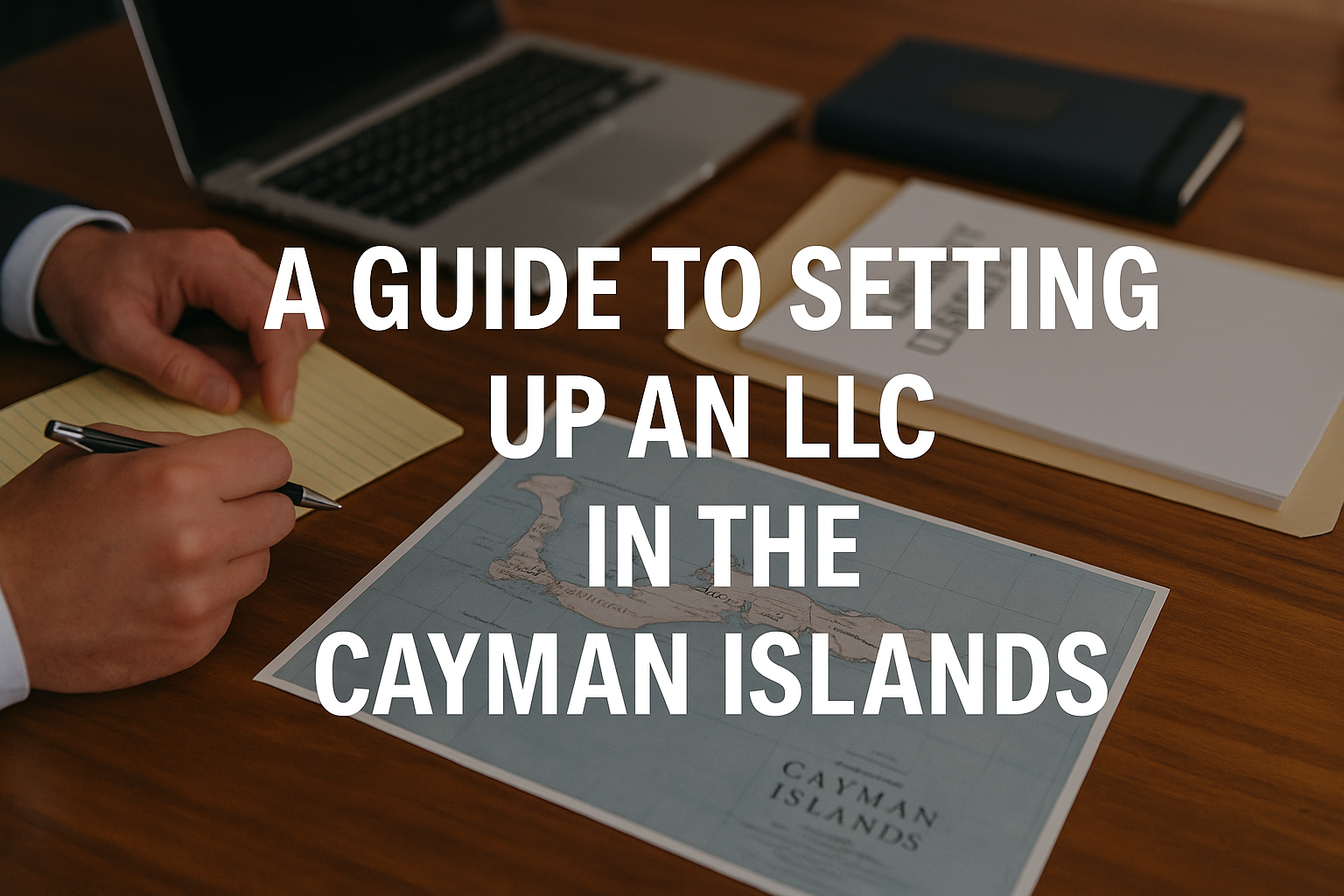
4. Cayman Islands
The Caymans attract those seeking potential tax benefits and long-term asset protection. While personal savings accounts are uncommon, the jurisdiction is known for handling complex structures involving trusts, hedge funds, and foundations. It is not recommended for individuals seeking daily-use banking, but it is ideal for those placing assets abroad for strategic planning and wealth preservation.
5. Panama
With a USD-based system and supportive laws for foreigners, Panama suits businesses involved in international payments or holding foreign currency. Account opening is document-intensive but manageable, especially through local legal agents. Many clients use Panama for its ease of sending and receiving wire transfers and keeping bank statements aligned with sales contracts or export revenue.
6. Mauritius
Mauritius combines affordability with stability. It appeals to companies engaged in trade along Africa-Asia routes and is ideal for businesses operating across multiple countries. Corporate accounts are common, but individuals can also open savings accounts with the right setup. Banks here support multi-currency accounts and provide access to international investment products.
7. Switzerland
Switzerland remains one of the most respected hubs for private wealth. Its banks offer excellent online banking platforms and customized support for managing foreign accounts. Though strict on compliance, Swiss banks attract those seeking high-grade privacy within the law and a clear separation between local business activities and global wealth strategies.
8. British Virgin Islands (BVI)
BVI remains a go-to for offshore company formation and trust structures. While it lacks standard current bank accounts for individuals, it supports solid corporate banking setups. BVI is not suitable for daily transactions, but it is ideal if you want to open an offshore structure to hold assets abroad or to reinvest in international markets.
9. Belize
Belize is often selected for its simplicity and speed. Many international customers choose it when setting up IBCs or light corporate structures. Minimum deposits are usually lower than in bigger hubs, and monthly fees are minimal. It works best for clients who don’t need complex services but want to receive payments or keep spare capital in a separate legal entity.
10. Seychelles
Seychelles specializes in flexible company formation and offshore accounts for cross-border business. It supports foreign accounts tied to companies and trusts, but, like Belize and the BVI, it is not geared toward private individual banking. Seychelles can be a useful base for establishing an offshore structure with lighter compliance requirements, though it is still subject to CRS rules.
Step-by-Step: How to Open an Offshore Bank Account
This step-by-step guide walks you through the process clearly, without hype, just what to do and how.
Step 1: Choose Your Jurisdiction and Bank
Start by selecting a country and bank that fit your actual needs.
If you expect to receive international payments, hold foreign currency, or avoid exposure to currency fluctuations, focus on banks with strong FX support. For asset protection or multi-country structuring, options like Switzerland or the Cayman Islands may be more suitable.
Step 2: Prepare Required Documents
Most offshore banks require the following:
For individuals:
- Valid passport
- Proof of address, such as a utility bill or driver's license
- Proof of income or source of funds, such as payslips or tax returns
For companies:
- Certificate of incorporation
- Articles of association or similar documents
- UBO declaration (Ultimate Beneficial Owner)
- Recent bank statements, sales contracts, or a business plan
The more complex your entity, the more documentation is needed. Be transparent to avoid delays or rejection.
Step 3: Apply (Remote vs. In-Person)
Many jurisdictions now allow remote applications. But some banks still require:
- In-person verification
- Video KYC
- A local agent or introducer
Remote onboarding is more common in Belize, Seychelles, and the UAE. Others, such as HSBC Expat or Swiss banks, may require more hands-on checks. Stay responsive throughout the process.
Step 4: Funding the Account
After approval, follow the bank’s wire instructions. Most require a minimum deposit, typically between $1,000 and $200,000, depending on the provider. The sender's name must match the applicant, and records should be retained.
Process and Timeline
Most accounts are opened within 2 to 4 weeks. Timelines depend on your risk profile, account type, and document quality. Banks with digital onboarding, e-signatures, and client portals usually move faster.
Final Thoughts
Opening an offshore bank account isn’t just for large corporations or the ultra-wealthy. With the right planning and support, it’s a smart move for entrepreneurs, global professionals, and anyone managing income across borders.
By choosing the right jurisdiction, preparing the required documents, and staying fully compliant with tax and banking rules, you can unlock more flexible, secure, and efficient ways to manage your money.
Air Corporate has already helped over 1,000 clients open offshore accounts and set up international business structures in trusted jurisdictions like Hong Kong, Singapore, and the UAE. Our team simplifies the process, from choosing the best offshore bank to handling KYC and documentation.
FAQs
No, you don’t always need to set up a company to open an offshore bank account. Many banks accept personal accounts if you're using the account to receive funds, save, or hold foreign currency. However, some jurisdictions require company incorporation for business use or when submitting sales contracts.
Yes, you can open an offshore account remotely in many countries. Some offshore banks offer fully online onboarding, especially for personal accounts or light business use. Just be ready to submit relevant documents and verify your identity digitally.
Belize, Panama, and the UAE are among the easiest countries to open offshore accounts. They offer flexible KYC, lower minimum balance requirements, and remote setup support. These are great options for users who want to protect assets or support family members across multiple countries.