A Seychelles IBC is an International Business Company incorporated under the Seychelles International Business Companies Act 2016. It is the most widely used offshore corporate structure in Seychelles and one of the most popular worldwide, with over 200,000 active IBCs on the register.
The IBC is designed for international business conducted outside Seychelles. It is tax-exempt on all offshore income, requires no public disclosure of directors or shareholders, and can be incorporated in 1 to 2 business days.
Key Takeaways
- An IBC is incorporated under the IBC Act 2016 and governed by English common law.
- It pays zero tax on income earned outside Seychelles.
- 1 director and 1 shareholder are required. Both can be the same person.
- The ownership and director register is private. No public disclosure.
- It cannot trade within Seychelles or conduct regulated activities without a licence.
The Legal Framework
The Seychelles IBC is governed by the International Business Companies Act 2016, which replaced the earlier 1994 Act. The 2016 Act modernised the legal framework, aligning it with FATF standards while preserving the core features that make the IBC attractive: speed, privacy, and low cost.
Seychelles law is based on English common law. Corporate documents (the Certificate of Incorporation and Memorandum of Association) are issued in English. This makes the IBC familiar to lawyers, banks, and counterparties across most international jurisdictions.
The Registrar of Companies operates under the Financial Services Authority (FSA), which is the principal regulator for financial services in Seychelles.
Core Features of a Seychelles IBC
| Feature | Detail |
|---|---|
| Governing law | Seychelles IBC Act 2016 (English common law) |
| Minimum directors | 1 (natural person or corporate entity) |
| Minimum shareholders | 1 (can be the same as the director) |
| Minimum share capital | No minimum (typically 1,000 shares at USD 1 par value) |
| Incorporation timeline | 1-2 business days |
| Annual government fee | USD 100-150 |
| Public register | None. Directors and shareholders are private. |
| Tax on offshore income | 0% |
| Registered agent required | Yes. Must be a licensed Seychelles firm. |
| Registered office required | Yes. Provided by the registered agent. |
What a Seychelles IBC Can Do
An IBC can conduct any business activity outside Seychelles without restriction. Common uses include:
Asset holding IBCs are frequently used to hold shares in operating companies, investment portfolios, real estate, intellectual property, or cryptocurrency. The IBC sits above the asset as a private holding layer.
International trading An IBC can act as a trading entity for cross-border B2B transactions, buying and selling goods, services, or digital products between parties in different countries.
Investment vehicles Founders and family offices use IBCs to hold equities, bonds, funds, and alternative assets. The zero-tax environment and privacy make it a clean wrapper for investment activity.
Intellectual property holding An IBC can own patents, trademarks, and copyrights and license them to operating entities in other jurisdictions. If IP exploitation is the primary activity, review whether Seychelles economic substance rules apply.
Joint ventures The IBC is a neutral, low-cost vehicle for multi-party commercial arrangements. It is governed by straightforward English-based corporate law that all parties can understand.

What a Seychelles IBC Cannot Do
The IBC structure has limitations that are important to understand before incorporating.
It cannot trade within Seychelles. The IBC is designed exclusively for international business. If you want to operate a business inside Seychelles (employ staff locally, sell to Seychelles residents, or own Seychelles real estate), you need a different entity type.
It cannot conduct regulated activities without a licence. Banking, insurance, fund management, and financial advisory services require a separate licence from the FSA. An unlicensed IBC cannot legally operate in these sectors.
It may face banking friction. Major Western banks in the UK, US, and EU are unlikely to open accounts for a Seychelles IBC without a strong business case. This is not a legal restriction but a practical one. Hong Kong digital banks and Singapore banks are significantly more accessible.
Note
The IBC's zero-tax status applies only to income earned outside Seychelles. If the company earns income inside Seychelles, local corporate tax applies. In practice, most IBC structures never earn income within Seychelles.
Seychelles IBC vs Other Seychelles Entity Types
Seychelles offers several other corporate structures beyond the IBC. Understanding the differences helps confirm the IBC is the right choice.
| Entity | Best for | Tax rate | Public register |
|---|---|---|---|
| IBC | International holding, trading, investment | 0% (offshore income) | No |
| Special Licence Company (CSL) | Regulated activities needing a low-tax wrapper | 1.5% | No |
| Foundation | Wealth planning, succession, philanthropy | 0% (offshore income) | No |
| LLC | Flexible structures requiring a hybrid entity | 0% (offshore income) | No |
The IBC suits the majority of international business and investment use cases. The CSL is relevant when you need treaty benefits or a recognised low-tax entity for regulated activities. The Foundation works better for estate and succession planning where corporate ownership is not desirable.
Seychelles IBC vs BVI Company
The two most commonly compared offshore structures are the Seychelles IBC and the BVI Business Company (BC).
| Feature | Seychelles IBC | BVI BC |
|---|---|---|
| Annual cost | USD 950+ | USD 1,100+ |
| Incorporation time | 1-2 days | 3-5 days |
| Bank account access | Moderate | Strong |
| International recognition | Moderate | Very high |
| Privacy | Strong | Strong |
| Economic substance rules | Limited scope | Limited scope |
Seychelles wins on cost and speed. BVI wins on banking access and institutional recognition. The right choice depends on what the structure will be used for and which banks you plan to work with.
For a full breakdown, see our guide to BVI company formation. If you are ready to incorporate, see the step-by-step Seychelles company formation guide. For banking options once your IBC is incorporated, see our Seychelles IBC bank account guide.
Ready to incorporate? Form your Seychelles IBC with Air Corporate. Packages from USD 950, incorporated in 1 to 2 business days.

Who Uses a Seychelles IBC
The Seychelles IBC is used across a wide range of ownership profiles and business types. Understanding who uses it, and why, helps clarify whether it is the right structure for your situation.
International entrepreneurs and founders. Founders building businesses that operate across multiple countries use the IBC as a clean holding vehicle above their operating entities. It allows them to receive dividends, hold IP, and manage cross-border revenue outside their home jurisdiction without triggering local corporate tax on offshore income.
High-net-worth individuals and family offices. HNWIs use the IBC to hold investment portfolios, real estate, and liquid assets in a private structure. The absence of a public register means ownership is not disclosed to commercial counterparties, competitors, or the general public.
Cryptocurrency and digital asset holders. The IBC is widely used to hold crypto portfolios and digital asset investments. It provides a legal entity that can open accounts with crypto-friendly banks and exchanges, sign custodial agreements, and hold assets in its own name.
E-commerce and digital businesses. Online businesses with international customer bases use the IBC as a trading entity to receive payments from Stripe, PayPal, and other processors. The zero-tax environment on offshore income makes it particularly attractive for businesses without a fixed geographic customer base.
Consultants and service businesses. Professionals who invoice international clients use the IBC to centralise billing. The company issues invoices, receives payments, and manages expenses across multiple client relationships in a single offshore structure.
Joint venture partners. The IBC is used as a neutral holding entity for multi-party arrangements. Both parties hold shares in the IBC, which in turn holds the joint venture assets. English common law governance makes the structure legible to all parties.
Privacy and Beneficial Ownership
One of the most cited reasons for using a Seychelles IBC is privacy. No information about directors, shareholders, or beneficial owners is available on the public register.
Beneficial ownership information is held privately by the licensed registered agent. It is accessible to Seychelles authorities and law enforcement under international information exchange agreements, including TIEA (Tax Information Exchange Agreements) and the Common Reporting Standard (CRS).
This means the structure is private from the public and from commercial counterparties, but not from tax authorities in your country of residence if they make a formal request through the appropriate channels.
Tip
Privacy through a Seychelles IBC is legitimate and legal. It is not the same as concealment from tax authorities. If you are a tax resident somewhere, you remain responsible for declaring your worldwide income and beneficial ownership of foreign structures as required by local law.
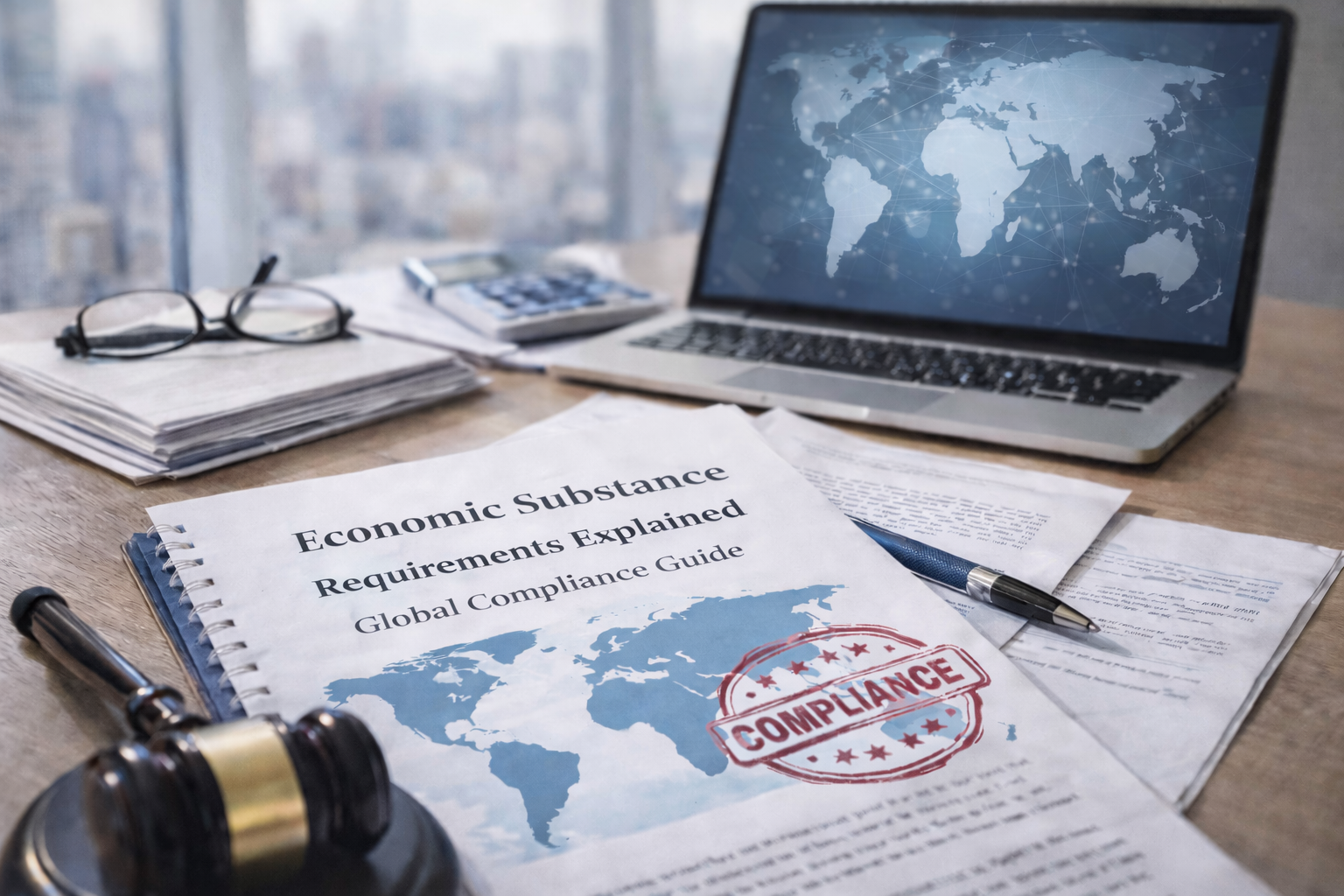
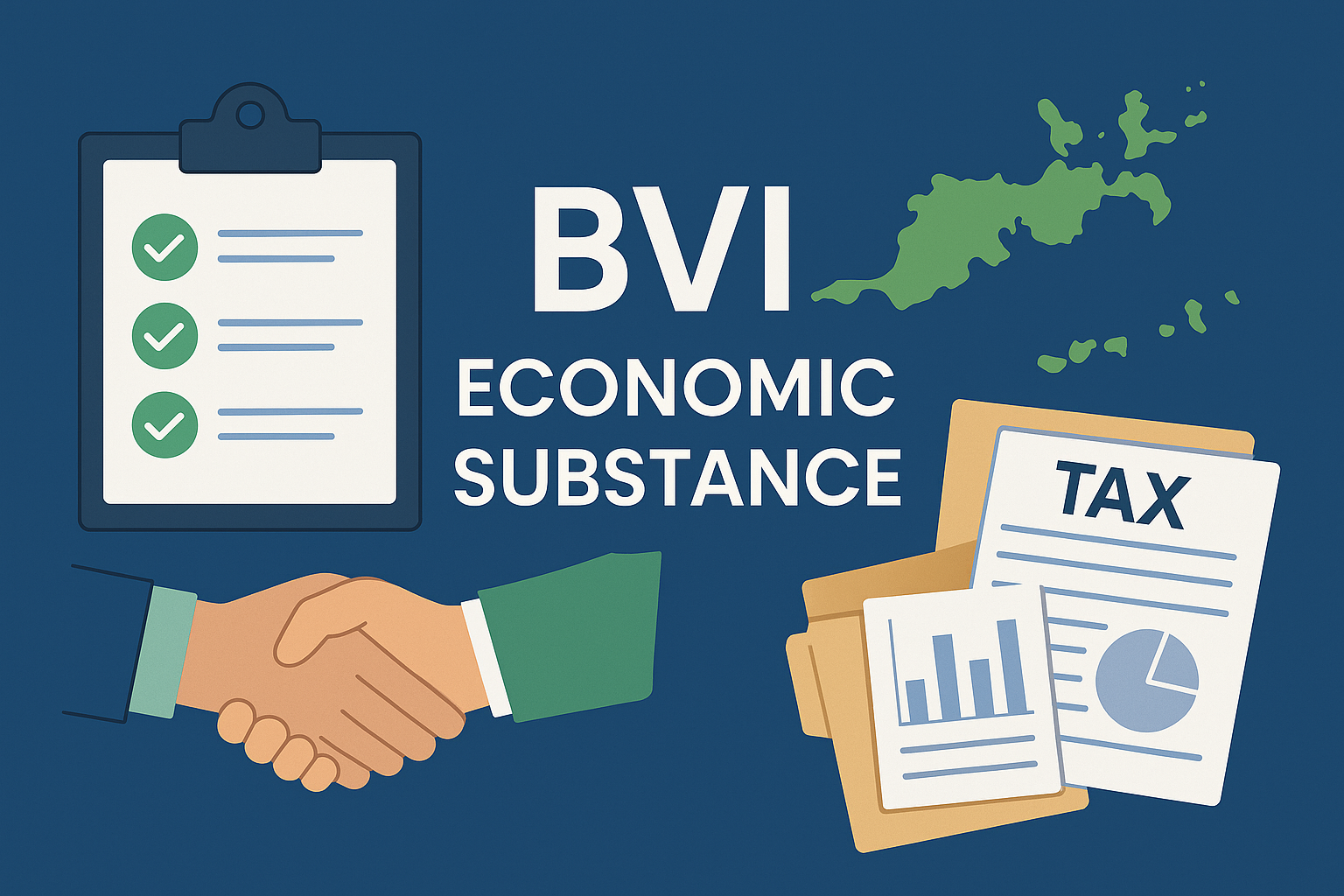
Economic Substance Rules
Seychelles introduced economic substance requirements in 2019 in response to international pressure from the EU and FATF. These rules apply only to IBCs conducting a "relevant activity."
Relevant activities include:
- Banking business
- Insurance business
- Fund management
- Finance and leasing
- Headquarters business
- Shipping
- Holding company business (limited scope)
- Intellectual property business
- Distribution and service centre business
Most straightforward holding companies, trading companies, and investment vehicles are not affected. If your IBC falls within a relevant activity, it must demonstrate adequate substance in Seychelles (local management, staff, or facilities) to meet the test.
Confirm with your registered agent whether your intended use triggers the substance rules before incorporating.